




Blog categories
Search in blog
Latest posts
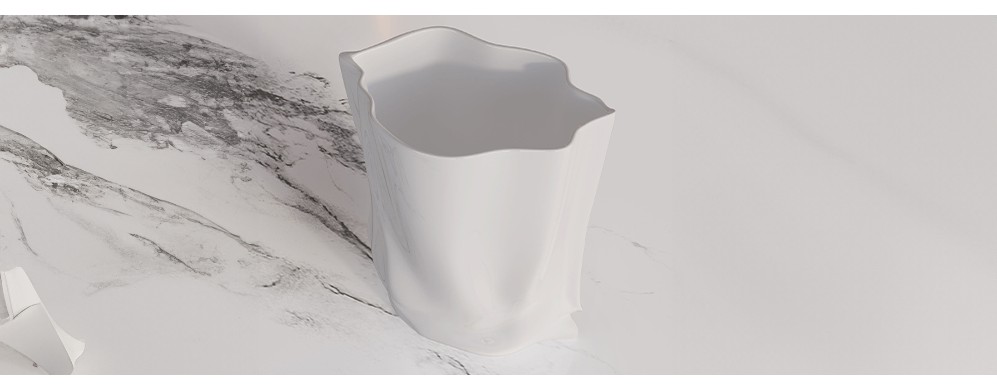
There are design elements that are sometimes overlooked, yet their appeal is strong enough to revolutionize an interior. Among these are vases.
They are not merely flower containers, but true design protagonists capable of transforming a space. From minimalism, styles, materials, and shapes expand to create a true wow effect.
Although historically a vessel for flowers, in modern interior design the vase has been completely reinterpreted as an autonomous decorative element.
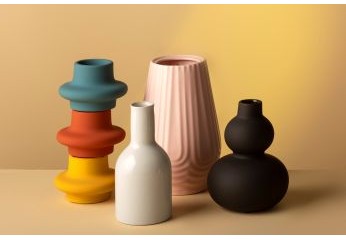
Designer vases for interiors are created to impress: sculptural shapes, carefully selected colors, and refined materials. They can tell a story, express an emotion, or simply create balance within a furnishing composition.
The beauty lies in the fact that no elaborate floral arrangements are needed to enhance them: even when empty, these objects express personality. In particular, modern indoor vases stand out for their minimalist yet impactful approach, often based on geometry, textures, and surprising color pairings.
To choose the right vase, three key elements must be considered: material, shape, and color.
In today’s landscape, trends favor materials that combine aesthetics and sustainability. The most sought-after include:
Matte or glazed ceramic, for a handcrafted and sophisticated effect;
Blown or transparent glass, perfect for airy and modern interiors;
Satin-finished metal (brass, copper, steel), ideal for adding an industrial-chic touch;
Concrete or resin, for an urban or minimalist style;
Wood and natural materials, including rattan and bamboo, for warm and welcoming atmospheres.
Elegant decorative vases are distinguished by their silhouettes. Organic and irregular shapes are highly on trend, as they break the rigidity of classic furnishings. Elongated cylinders or flattened spheres lend themselves to vertical or horizontal compositions. Sculptural or abstract pieces prove to be valuable allies in artistic and contemporary interiors.
From a chromatic perspective, the 2025 palette favors soft, natural tones such as sand, ochre, terracotta, sage green, and taupe, alongside bolder colors like cobalt blue, burnt orange, and forest green.
Modern indoor vases often play with contrast: a neutral surface paired with a colored or metallic detail, or matte finishes juxtaposed with glossy accents.
Still unsure which option best suits your home? Discover the ideal vases for your style and apply the tips shared in this post.
Positioning a designer vase within an interior is not merely a practical choice, but a true aesthetic gesture.
In the entryway, a tall, sculptural model placed near the front door can immediately convey elegance and warmth. Choosing a vertical arrangement, such as pampas grass or dried branches, adds movement and introduces the home’s atmosphere with refinement.
In the living room, vases become valuable allies in creating balance and contrast. Placed on a console alongside a mirror or a designer lamp, they complete the scene harmoniously.
On a coffee table, a small composition of vases at different heights plays with volume and adds an artistic touch to the relaxation area. Even bookshelves can host them between books and art objects: a well-chosen piece here breaks rigid lines, bringing freshness and lightness.
In the dining area, a vase placed at the center of the table can replace a traditional centerpiece and become a strong visual focal point.
In the bedroom, the role becomes more intimate, almost poetic. A pair of small matching vases on bedside tables creates symmetry and order, while an asymmetrical composition on a dresser adds movement without disturbing the room’s calm.
Even the bathroom—often overlooked decoratively—can benefit from the elegance of refined details. A single small piece, perhaps in glass or glossy ceramic, paired with a green branch or dried flower, instantly evokes a spa-like atmosphere.
To fully enhance designer vases for interiors, it is essential to consider them within the dialogue created between furniture, decorative accessories, and the architecture of the space. A vase does not exist in isolation; it interacts with its surroundings—this is where the true art of styling lies.
A first effective approach is to play with material contrast. A transparent glass vase on a raw wooden surface tells a story of balance between fragility and strength, transparency and solidity. A concrete or resin vase placed on marble or lacquered surfaces creates a contemporary and refined visual effect, enhancing the qualities of both materials.
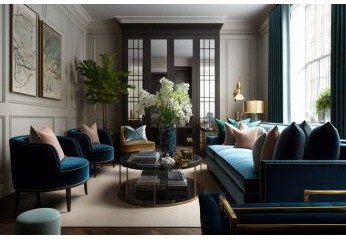
Another interior stylist trick is chromatic continuity. Choose a vase that echoes—even subtly—the colors already present in the room: a tone that recalls the velvet of the sofa, the shades of a painting, or the texture of a rug. This type of visual coherence creates harmony and conveys a sense of care and sophistication, without ever feeling forced.
With these tips, you’ll know how to choose and position the right vase to give your luxury interiors a distinctive twist.
Related posts
Blog categories
Search in blog
Latest posts


Leave a comment